
The Aircraft
Bill Martyn flew 48 different aircraft types between 1936 and 1945, among them the Spitfire, Seafire, Sea Hurricane, Avenger, Martlet (also called the F4F Wildcat), Skua and Corsair. Thirty-six are pictured here. The full list is on the back of his log book.
Where a type appears in the surviving log book (July 1941 onwards), its card links to those flights.
“My card this year shows my flight of Nimrod single-seater fighters over Malta in rather tightish formation – see for yourself! Once the Italians see a formation like that they’ll go home quick.”
In a letter home, November 1938

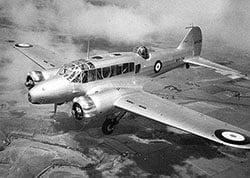
Avro Anson
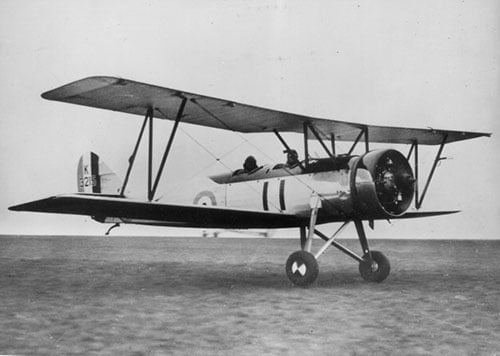
Avro 621 Tutor
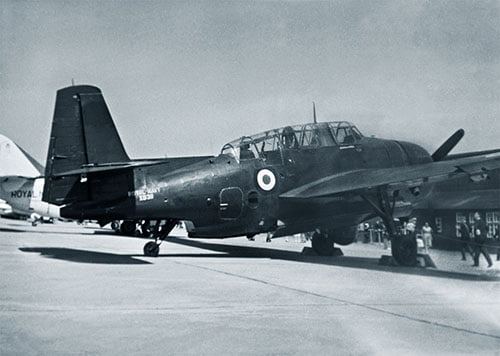
Grumman Avenger
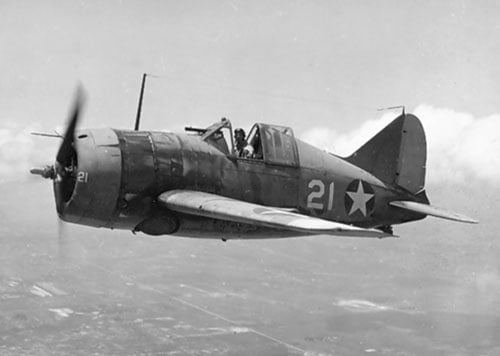
Brewster Buffalo
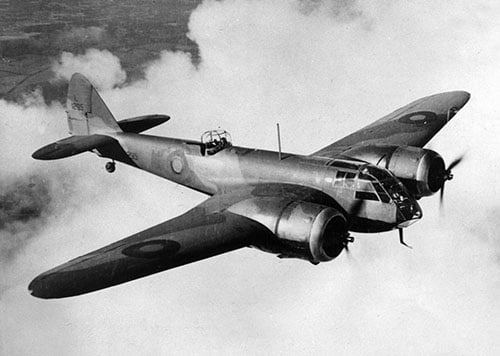
Bristol Blenheim
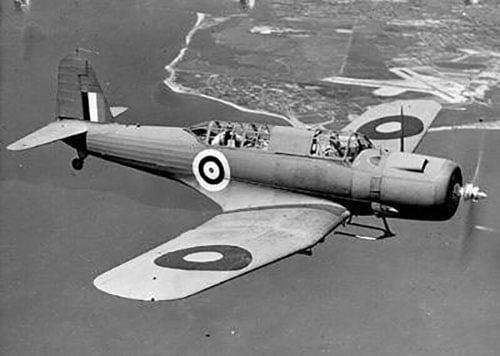
Vought Chesapeake
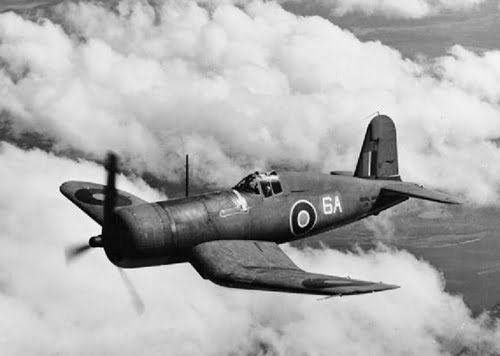
Vought Corsair

de Havilland Tiger Moth

Fairey Albacore
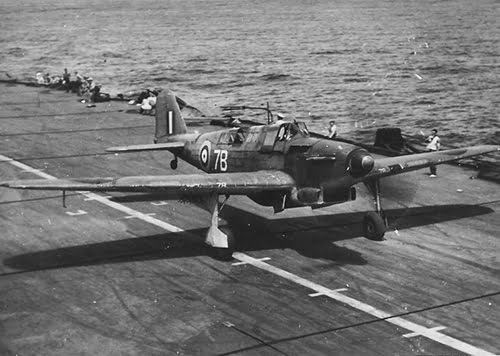
Fairey Fulmar
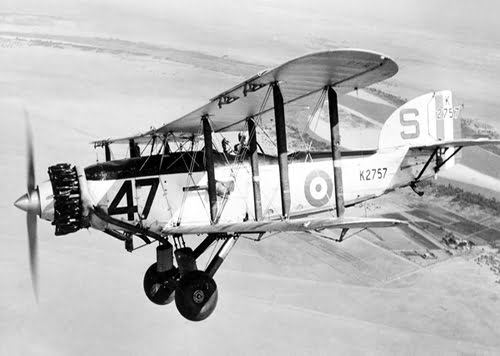
Fairey Gordon
“When you want manoeuvrability combined with high speed and rate of climb, come along with me in a Sea Gladiator.”
In a letter home, November 1939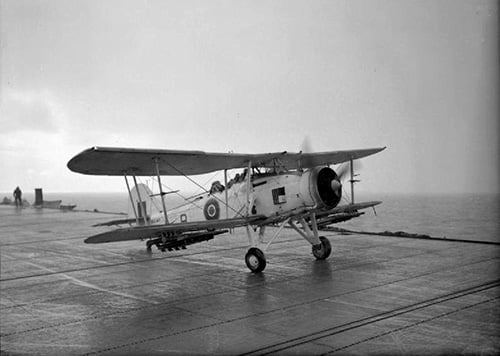
Fairey Swordfish
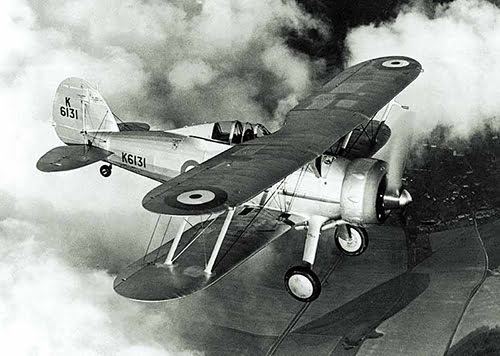
Gloster Gladiator
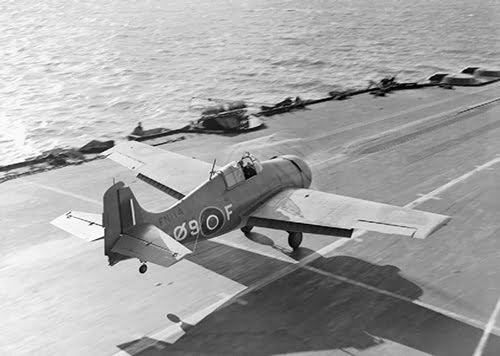
Grumman Martlet
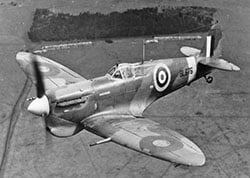
Supermarine Seafire
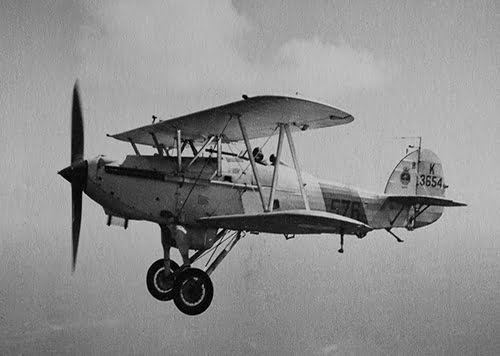
Hawker Nimrod
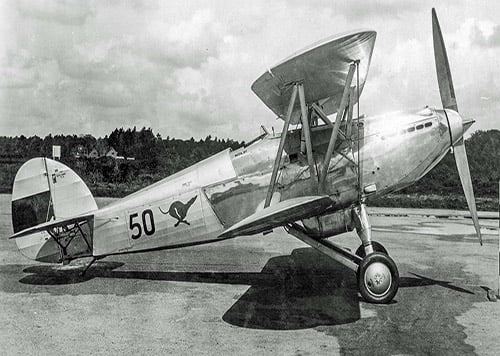
Hawker Fury
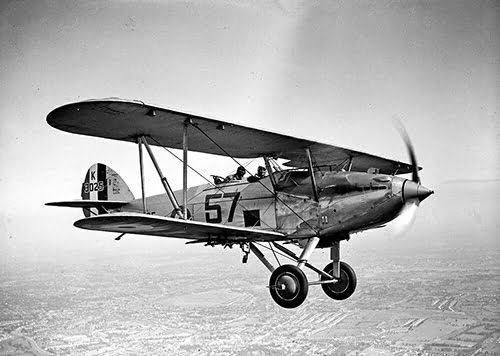
Hawker Demon
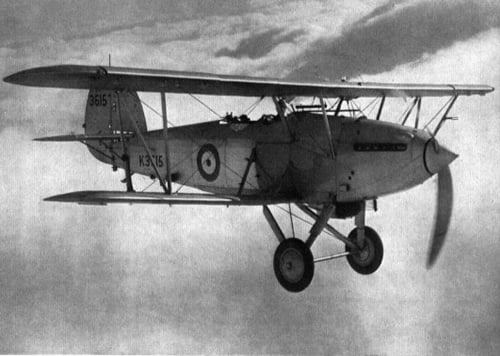
Hawker Osprey
“The Hawk Trainer is a very fast machine but I go on Hawker Harts on Jan. 9 and you can ease stick back and things really happen in them.”
In a letter home, Christmas Day 1936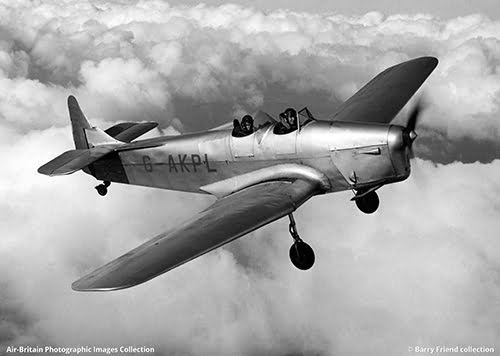
Miles Hawk Trainer
Miles Master
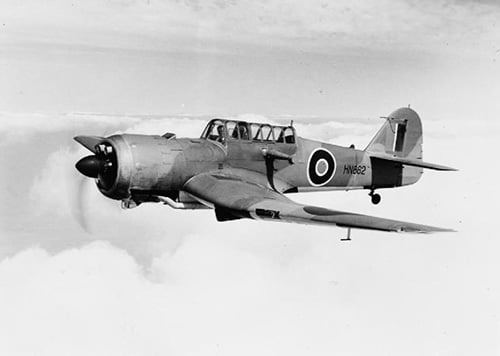
Miles Martinet
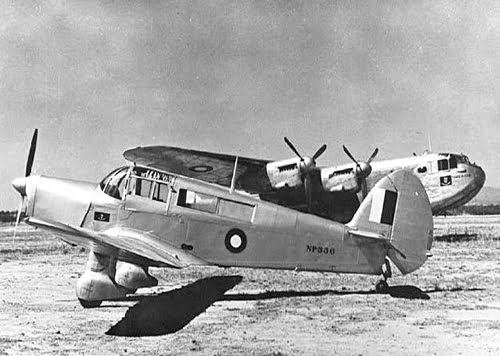
Percival Proctor
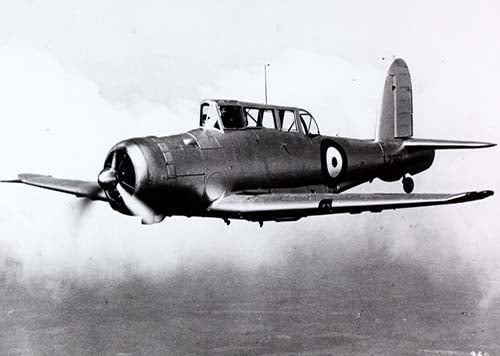
Blackburn Skua
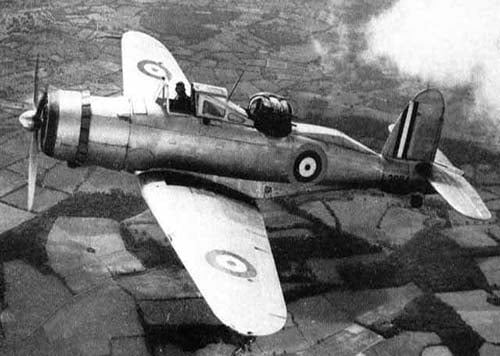
Blackburn Roc
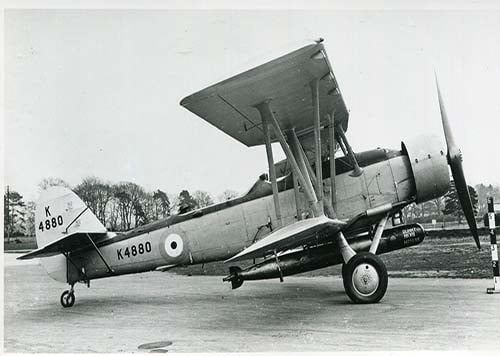
Blackburn Shark

Supermarine Walrus
“Did you know that when the Spitfire or Hurricane fires its 8 Brownings, the speed of the aircraft drops 40 m.p.h. (remarkable, eh?)”
In a letter home, July 1939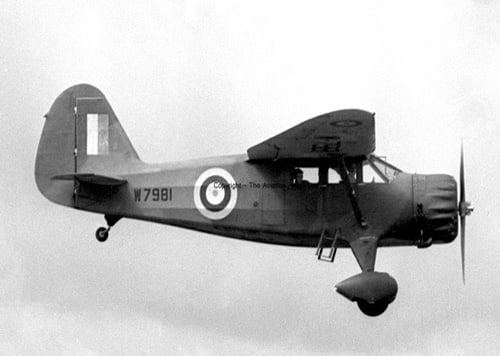
Stinson Reliant
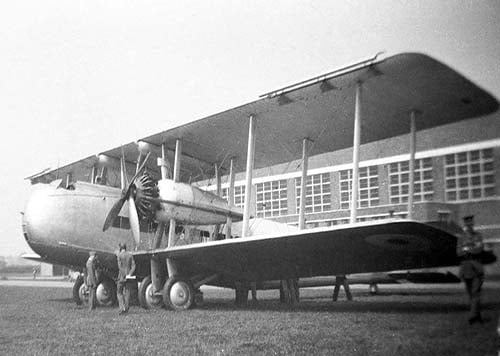
Vickers Valentia
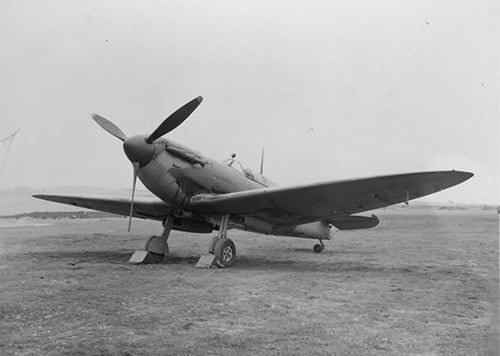
Supermarine Spitfire
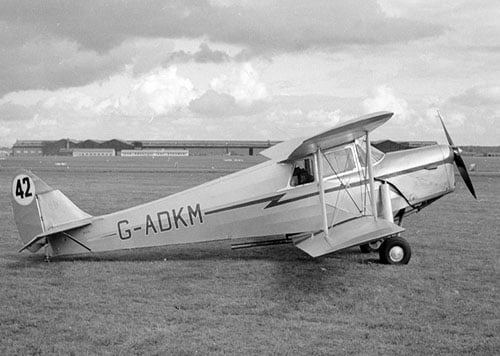
de Havilland Hornet Moth
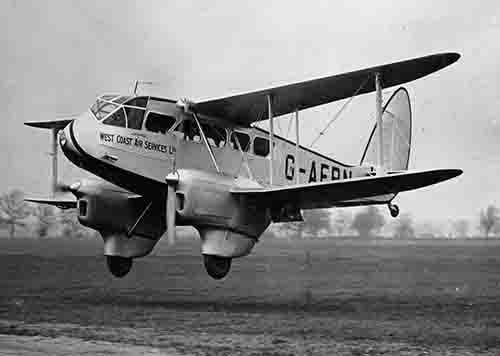
de Havilland Dragon Rapide (DH89)

Auster Taylorcraft
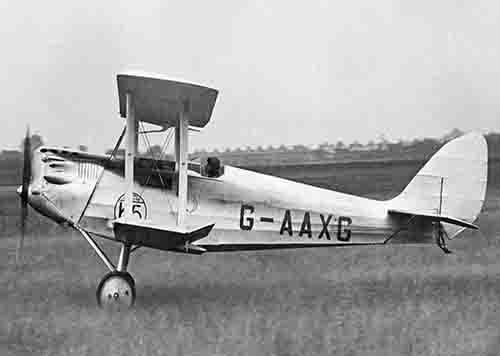
de Havilland Gypsy Moth
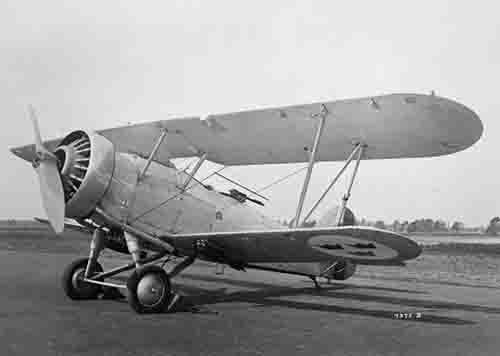
Hawker Hart
“The period for war time flying training has been cut down now, so I am glad that I had a good training. My three years’ service flying should do me in good stead, I hope, but I am not saying anything.”
In a letter home, November 1939Photograph wanted. Not on the current site.
Hawker Sea Hurricane
Photograph wanted. Not on the current site.
Grumman Hellcat
No aircraft match. Try another word.
Flight counts come from the surviving log book (July 1941 to November 1945) and count each line that names the type, so they are approximate. The log book begins in July 1941, so earlier flying is not covered. The cards marked “Photograph wanted” are types that appear often in the log book but are not on the current site.